
For eight seasons she was Pamela Barnes Ewing, and if you were alive in the early eighties you did not need that explained to you.
“Dallas” was not a hit. “Dallas” was weather. It ran on CBS from 1978, it was watched in something like ninety countries, and when the writers put a bullet in J.R. Ewing at the end of the 1980 season, the question of who pulled the trigger became a genuine global obsession. Bookmakers took odds. Newspapers ran front pages. The episode with the answer pulled one of the biggest television audiences in American history.
And in the middle of all that oil-money venom stood Pam. The decent one. The one the audience trusted.
Victoria Principal played her for eight years. Then she quit.
The offer she turned down
By 1987 the show had gotten tired. That happens. Storylines that used to detonate were now just idling, and Pam, the character, was getting handed less and less that was worth playing. Principal had reached the end of what she could do inside it.
So she told them she was leaving.
According to the reporting that has followed her ever since, CBS came back with a number designed to end the conversation. Stay, and you will be the highest-paid actress on television. Not one of the highest. The highest.
She said no.
Think about that for a second. Not “no” to a bad job. “No” to the single best-paying acting job available to any woman in the medium at that moment, because she’d decided that the part had stopped being worth playing and no amount of money was going to change that.
The infomercial nobody took seriously
Two years later she started a skincare company.
Principal Secret launched in 1989 and it did not go out through department stores or a glossy magazine campaign. It went out through an infomercial, sold with Guthy-Renker, the direct-response outfit. Late-night television. The genre that everyone in Hollywood snickered at.
The snickering did not last. The line moved product on a scale that the beauty industry had genuinely not seen from that channel. By 2013, Principal Secret had generated more than $1.5 billion in revenue.
An actress who left the biggest drama on earth went on the medium’s least glamorous shelf and outearned the show.
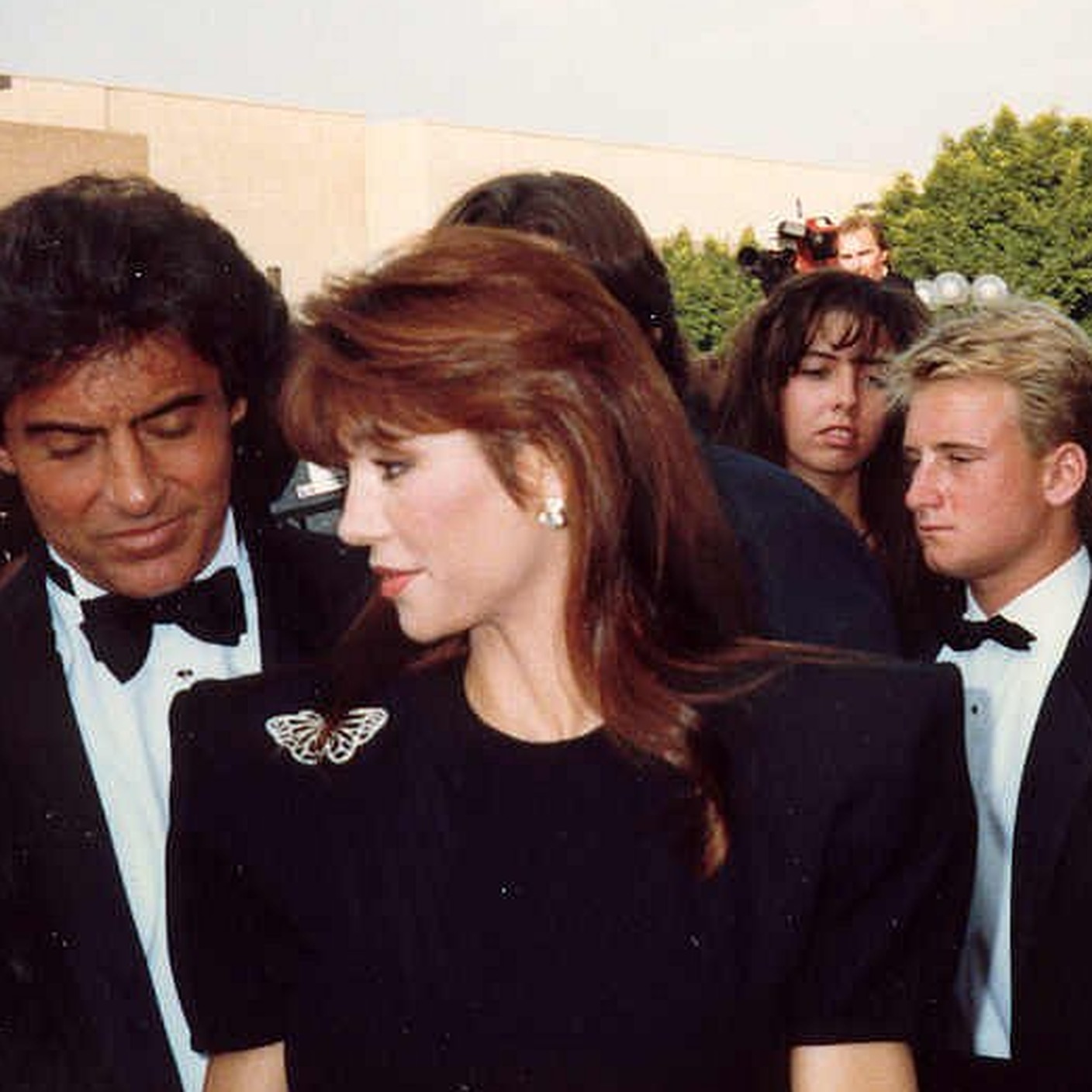
Then she left that too
Around 2001 she basically stopped acting. Not a scandal, not a slow fade into smaller and smaller parts. She had a company to run and she went and ran it.
And then, in April 2019, she stepped down from Principal Secret.
Two exits, thirty years apart, and the same instinct behind both: she’d finished the thing, so she put it down.
What she left it for was the foundation. The Victoria Principal Foundation for Thoughtful Existence, and behind that formal-sounding name is something much simpler and much muddier. Animals. Rescued, neglected, half-broken animals, and the slow, unphotogenic work of bringing them back.
The part of her life almost nobody knows
Since roughly 2012 she has lived on a farm outside Los Angeles, deliberately out of view. No comeback tour. No reality show about it.
She takes in animals who have been badly handled and she rehabilitates them, which mostly means standing in a field at six in the morning being patient with a horse who has excellent reasons not to trust a human. The photos that surface every so often, and there are a few, tend to be one of two things: her taking a grinning selfie on a plane, or her with her face buried in the neck of some enormous rescued horse who has clearly decided she’s fine.
She is 76 now.
Last summer a death hoax about her went around online, the way they do. Her representatives shut it down flatly: she is alive, she is well, she is on the farm. Which, if you think about the shape of her life, is the most on-brand correction imaginable. The world periodically forgets she exists, and she keeps right on existing, feeding horses, entirely uninterested in reminding anybody.
The through-line
It’s tempting to file all this under “star walks away from Hollywood,” except that isn’t what she did. She never really walked away from work. She just kept refusing to let anyone else decide what her work was.
She wouldn’t stay on the show for the money. She wouldn’t stay off late-night TV to protect her dignity, and the late-night TV made her a fortune. She wouldn’t stay at the company once the interesting part was over.
Every single time, everyone told her she was making a mistake. Every single time, she was the only person who turned out to be right.