
Here is a fact that does something strange to your sense of time. Cleopatra, the actual Cleopatra, the last pharaoh of Egypt, lived closer to the first Moon landing than she did to the building of the Great Pyramid of Giza.
Read that again, because it sounds like a mistake. It isn’t.
The Great Pyramid went up around 2560 BC. Cleopatra died in 30 BC. That is a gap of roughly 2,500 years. Now count forward from Cleopatra to July 20th, 1969, the day Neil Armstrong stepped down onto the Moon: about 2,000 years. She is nearer, in plain calendar time, to the lunar module than to the men who stacked those stones. And not by a little. By about five centuries.
To put that margin in something you can actually feel: the first Pizza Hut opened its doors in 1958. That roadside pizza place is closer, in years, to Cleopatra than Cleopatra is to the Great Pyramid.
We tend to file “ancient Egypt” into one big drawer in our heads. Pyramids, pharaohs, Cleopatra, mummies, all of it jumbled together in the same dusty era. But the pyramids were not Cleopatra’s world. They were her deep history. The kind of history you don’t live in. The kind you go and visit.
The pyramids were already tourist attractions
This is the part that really bends your head.
By the time Cleopatra was alive, the Great Pyramid was already about 2,500 years old, older to her than she is to us. It was an ancient monument in her own lifetime, weathered and legendary, its smooth pale casing stones still catching the sun over a country that had long since lost track of exactly who had built the thing, or how.
And people came to gawk at it. Just like now.
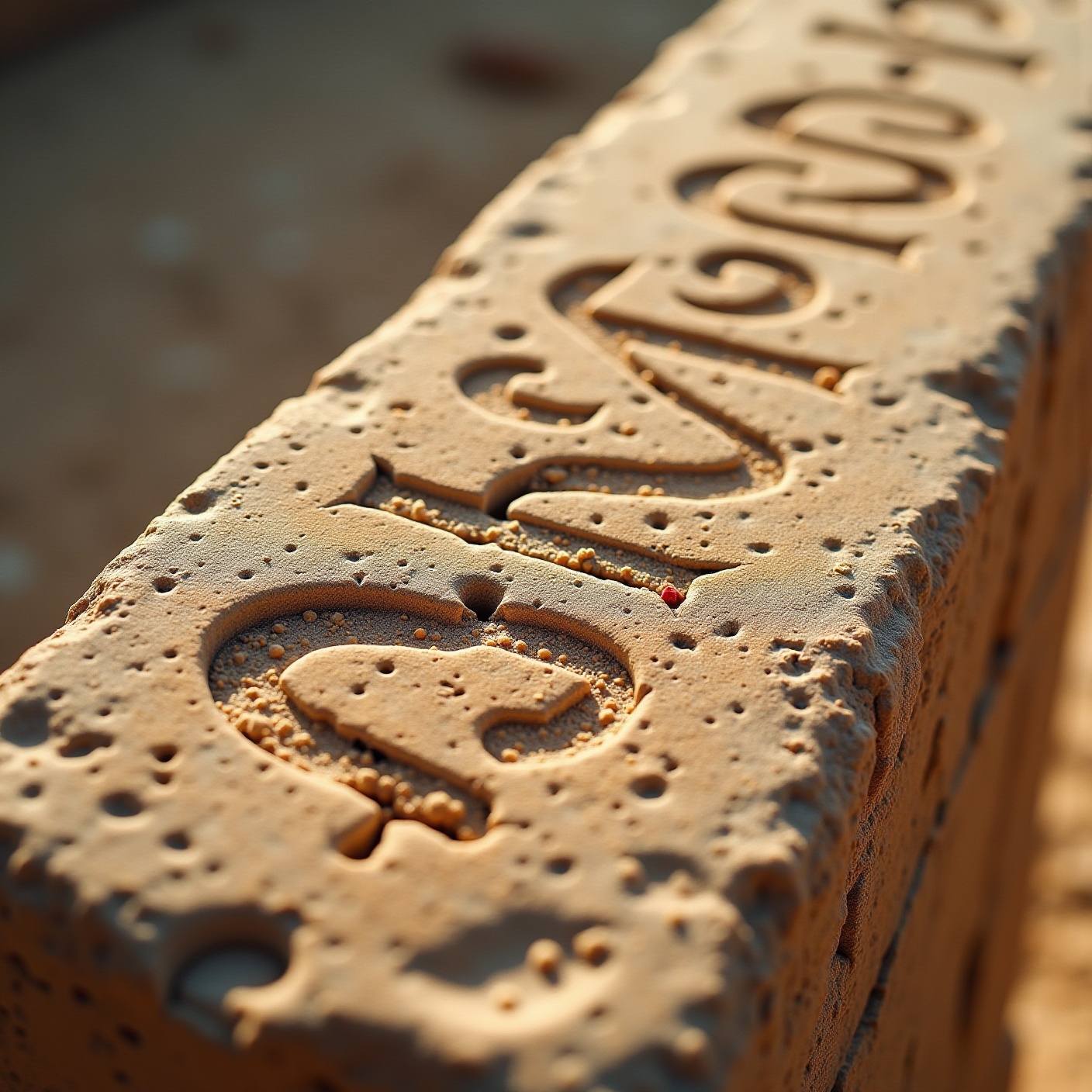
Wealthy Greeks and Romans took what were, unmistakably, vacations. They sailed to Alexandria to see the famous lighthouse, then cruised down the Nile to stand at the foot of the pyramids and crane their necks the same way you would today. Some of them did the most human thing imaginable. They carved their names into the stone. Archaeologists have found Greek and Roman graffiti on and inside these monuments, the ancient world’s version of “Apollonius was here.” Two thousand years ago, a bored tourist scratched his name into a wonder that was already two thousand years old, and both of those tourists are ancient to us now.
The historian Herodotus came through and wrote about the pyramids around 440 BC, and even he was leaning on local guides and half-remembered legend to explain structures that predated him by more than two thousand years. When Cleopatra looked up at the Great Pyramid, she was looking at something as far removed from her as she is from us. Farther, actually.
Why our sense of the past is broken
The reason this fact feels impossible is that we quietly compress the distant past. Everything with “BC” after it flattens into one smudge labeled “a long time ago,” while we stretch out the recent centuries because we have photographs and names and dates to hang on them. Three thousand years of Egyptian history gets zipped down into a single mental postcard.
But ancient Egypt was not a moment. It was a civilization that ran for more than three thousand years, longer than the entire stretch from Cleopatra to right now. The pharaohs who raised the pyramids and the queen who charmed Rome are separated by more time than separates that queen from the smartphone in your hand.
So the next time you see the Great Pyramid photographed next to a bust of Cleopatra, remember that you’re looking at two things that had almost nothing to do with each other in time. She was a modern woman standing in front of an ancient marvel, reading the old graffiti, listening to the guides guess at the answers, wondering the exact thing every visitor has wondered since.
How on earth did they build this. And who was standing right here, looking up, before me.