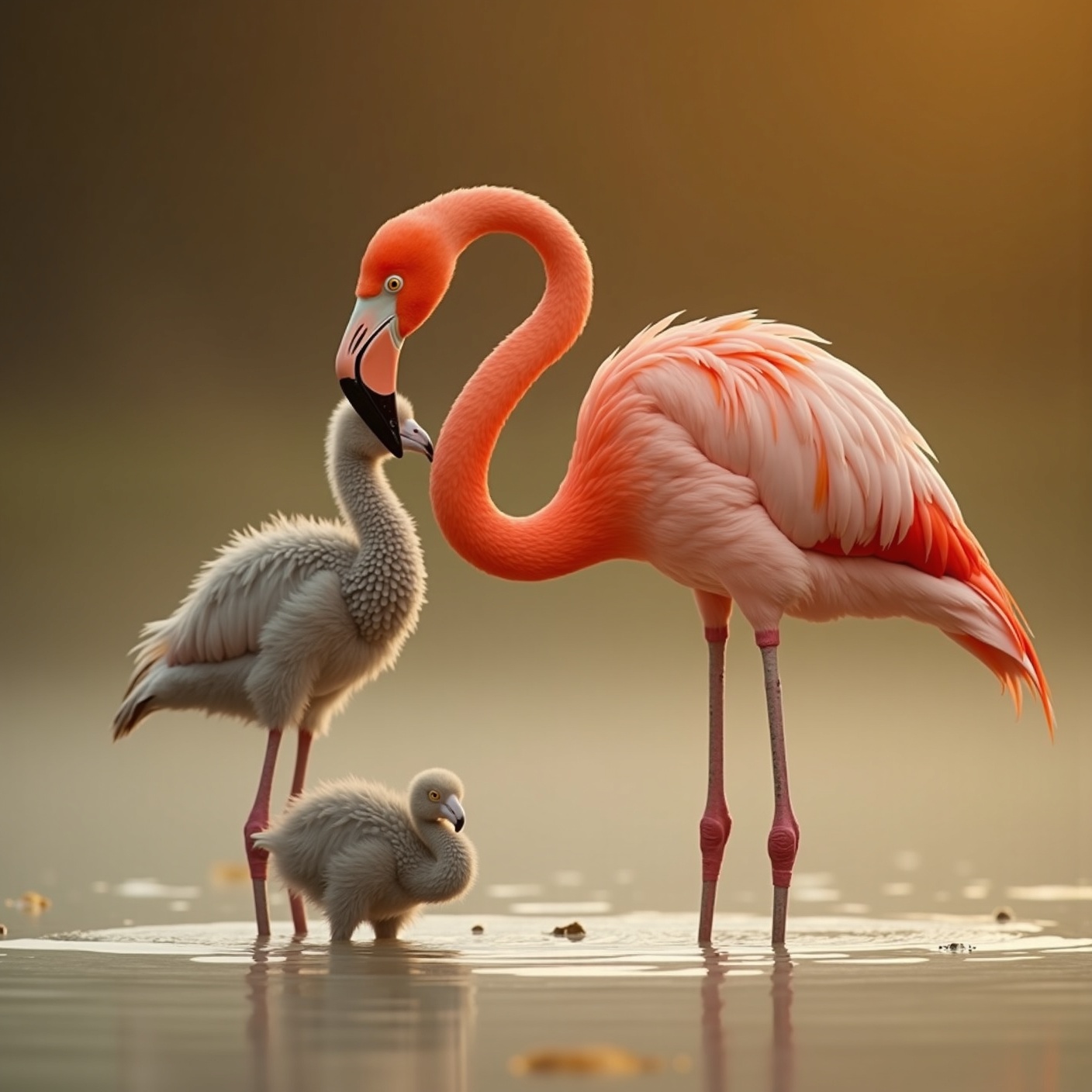
No flamingo is born pink. Every single one hatches a plain, fluffy grey, and that famous rosy color is something the bird has to earn, one meal at a time.
The pink was never in its genes. It’s in its lunch.
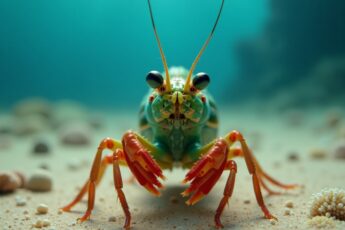
Flamingos live on blue-green algae and tiny brine shrimp, both packed with natural pigments called carotenoids. Those are the same compounds that turn carrots orange and tomatoes red. A flamingo swallows them by the beakful, its liver breaks them down, and the color gets folded into everything the bird grows next: the feathers, the long stilt legs, even the curved beak. A grey chick needs about two full years of steady eating before it wears the deep rose we picture the moment we hear the word.
So the color is basically a report card. The pinkest birds are the ones eating best, and the other flamingos read it that way too. A bright, saturated bird looks like a strong, well-fed partner, so the healthiest eaters tend to win the best mates. Some flamingos even top up the shade like makeup, rubbing pigment from a gland near their tail across their feathers to look rosier, and they do it more often right when it’s time to pair off.
Now for the part nobody expects. If the color comes from food, it can also leave. Take the carotenoids away and a flamingo slowly fades, drifting back toward the pale grey it started as. This is exactly why the flamingos at a zoo would go ghostly on a plain diet, and why keepers fold carotenoid-rich food into their feed to keep them blushing. A flamingo’s pink is not some fixed fact about the animal. It’s a running total of what it has eaten lately.
And then there’s the thing they do for their babies, which is where the whole story turns tender.
A newborn flamingo can’t filter algae out of a lagoon yet, so both parents, the mother and the father alike, make food for it inside their own bodies: a rich liquid called crop milk. It comes out a surprising deep red, tinted by the very same pigments the adults spent years collecting. The parents pour that color straight down the throat of their grey little chick. And every drop they give away is a drop drained from themselves. Months of feeding can leave the adults faded and washed out, their hard-won pink quietly draining into the next generation. They hand their children the color right off their own feathers.
So a flamingo isn’t pink because it was born special. It’s pink because of every mouthful behind it, and a little paler for every mouthful it gave its kids. Next time one shows up on a postcard, you’re not really looking at a bird. You’re looking at everything it ever ate, and everything it gave away.
If a single food could color you head to toe, what do you think you’d turn?