
Andrés Hurtado was only in Seville for the day, walking down a narrow street lined with garden walls, when something at the curb caught his eye. A large picture in a gilded frame, propped up against the stone as if someone had simply set it down and forgotten it.
A few steps away, a family was in the middle of packing a car: beach bags, a folded umbrella, someone wrestling a suitcase into the trunk. A horn blared from the traffic backing up behind them in the narrow lane. Someone called out to just go, they’d figure the rest out later. In the rush, the painting never made it into the car. It stayed right there against the wall as the family drove off toward their beach house.
Hurtado wasn’t thinking about art. He was thinking about the frame, carved wood, gold leaf, the kind of ornate detail you don’t usually find abandoned on a sidewalk. He picked it up, carried it to his car, and took it home to Murcia. There it sat, propped against a wall in his own house, for several days, the canvas facing inward, ignored.
It was an ordinary evening when he finally turned it around and actually looked at what was painted on it. A beach scene, sand, sea, a wash of light so warm and loose it barely looked like brushwork at all. Something about it nagged at him. He pulled out his phone, opened an AI art-identification app, and pointed the camera at the canvas, half expecting nothing more than a guess.
The name it gave him was Joaquín Sorolla, the Spanish painter known as “the master of light,” famous for exactly this kind of sun-drenched beach scene, his work hanging in museums from Madrid to New York. Hurtado didn’t fully believe an app on his phone. So he called an auction house in Madrid and described the piece, waiting for someone to tell him it was probably a print, a copy, nothing special.
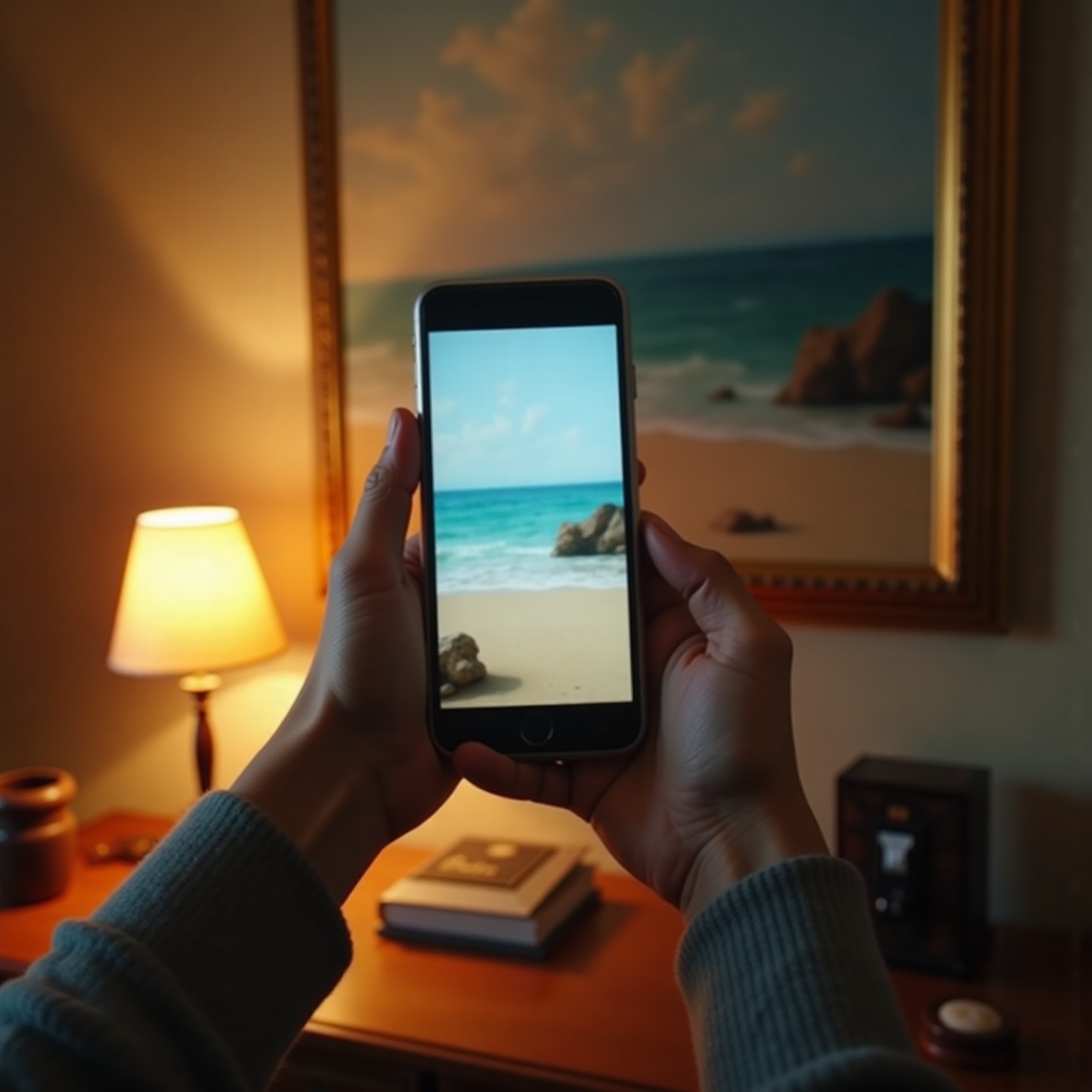
Instead, the auction house treated it seriously enough to want to see it. And somewhere in the days that followed, Hurtado came across something that stopped him cold: a police report, out of Seville, describing a Sorolla painting that had gone missing, matching detail for detail the one leaning against his living room wall.
He didn’t wait to be found. He picked up the phone. “I immediately called the police,” Hurtado said, “and told them that the news was not true, that I had it and that it was lying in the street.” No one had stolen anything from anyone. A family had simply driven off without it, in the chaos of getting out of town, and a stranger had picked it up for the frame.
From there, it wasn’t Hurtado’s problem to solve. Police handled the logistics of getting the painting back to its owners, and he stepped back and let them. The Sorolla, quietly valued at somewhere around €150,000, went home to the family who’d left it behind, who by then had likely given up on ever seeing it again. In gratitude, they offered him a reward.
He could have kept the frame and never said a word about the canvas inside it. Nobody was watching. Nobody would have known. Instead, a man who only wanted a nice piece of wood for his wall ended up being the reason a lost Sorolla found its way back to the people who loved it.