For almost sixty years, the most famous woman in country music was married to a man almost nobody ever saw.
Carl Dean ran an asphalt paving company in Nashville. He did not go to award shows. He did not walk red carpets. In six decades as the husband of Dolly Parton, he gave, by most counts, one interview, and even that was barely more than a few sentences. He said he liked being at home. He liked his equipment, his dogs, his own quiet.
He died on March 3, 2025, in Nashville, at eighty-two.
And the woman who has spent her entire adult life telling strangers everything, in three-minute songs, in interviews, with a laugh that goes off like a firecracker, has spent the year since trying to work out what to say about it.
She met him on her very first day in town.
That’s the part that sounds made up and isn’t. It was 1964. She was eighteen years old, off the bus from Sevier County with her clothes in a cardboard suitcase, and she had done exactly what a young woman from the mountains would do on her first day in a new city: she went to do her laundry. The place was called the Wishy Washy Laundromat. She stepped outside while her clothes spun, and a man in a white Chevrolet drove by, circled back, and started talking to her.
She has told the story a hundred times, and she always includes the same two details. He told her she was going to get sunburned. And she thought, at the time, that God had sent him.
They married on Memorial Day, 1966, in a small church in Ringgold, Georgia, with his mother as a witness, because her record label had told her not to get married at all and she went and did it anyway with almost nobody watching.
Fifty-eight years.
He never came to the shows. He heard the songs at home. And out of that odd, private arrangement came a piece of American music that a lot of people don’t know the origin of, because the origin is so ordinary it’s almost funny.
There was a bank teller in Nashville, a tall redhead, who used to flirt with Carl when he came in. She had a name Dolly loved the sound of. Dolly has said, in every telling, that there was never anything to it, that she wasn’t really scared of losing him, and that she just liked the word.
The word was Jolene.
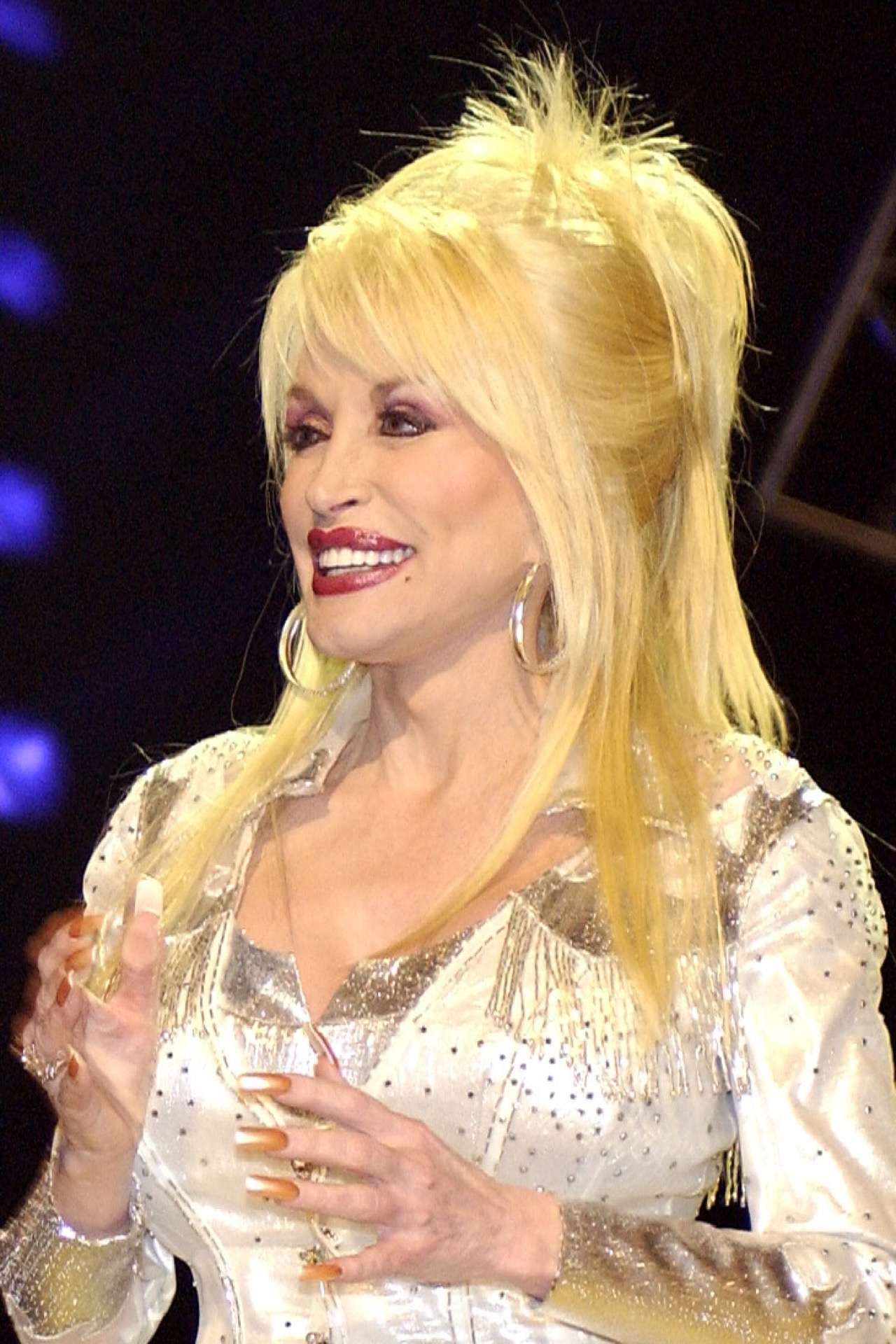
The song came out in 1973. It’s been recorded in dozens of languages, covered by everyone from The White Stripes to Miley Cyrus, and it’s four chords of a woman begging another woman not to take her man. And the man in question spent that entire half century in a truck, laying asphalt, going home, saying nothing.
He kept saying nothing, publicly, for fifty more years. And she let him.
When he died last March, she posted a photograph and a short message, and then, four days later, on March 7, she released a song called “If You Hadn’t Been There.” Just her voice and a guitar, more or less. She’d written it for him.
Then the year happened.
In November she was a no-show at the Governors Awards. In January she missed her own eightieth birthday celebration at the Grand Ole Opry, which is not a small thing, because the Opry is the room where the whole life started, and eighty is the kind of number where everyone gets to make a fuss over you and she has never once turned down a fuss.
She had already pushed her Las Vegas residency, six shows at The Colosseum at Caesars Palace, from December to September. Fans held the tickets. Everyone assumed she was resting.
And then on May 4 of this year, she posted a video and cancelled it altogether.
She looked into the camera and she didn’t dress it up. She said she wasn’t up to stage-performance level. She talked about the kidney stones, about the medications that had left her, in her words, swimmy headed, about being sick and sore and not being able to give people the show they’d paid for. She said she wasn’t dying, which she had apparently gotten tired of reading. She said she was responding really well to the meds and the treatments and that she was getting better every day.
But the sentence that landed hardest wasn’t from the video at all.
It came at the season opening at Dollywood, in front of a crowd, when she talked about the year she’d had and used two words that anybody who has lost someone will recognize instantly.
Worn down and worn out.
She said grief had done it. That she had needed to build herself back up, spiritually, emotionally and physically, and that she was doing it, and that it was taking longer than she thought it would.
This is a woman who wrote “I Will Always Love You” and “Coat of Many Colors” in the same day. Who built a theme park in the hills she came out of and put books in the hands of two hundred million children. Who has, for fifty years, been the most reliably cheerful person in American public life, so reliably cheerful that a lot of people forgot there was a real person inside all that rhinestone.
The real person married a paving contractor at twenty, kept him out of every photograph he didn’t want to be in, and stayed married to him for fifty-eight years while the entire world tried to get a look at him.
And now the truck’s gone from the driveway, and she’s the one everybody’s watching, and for the first time in six decades she’s admitted, out loud, that she isn’t up to it just yet.
She also said, in that same Dollywood appearance, that she’s not going anywhere, and that she has more songs than she has time.
Knowing her, that’s the part to believe.