If you had a television between 2010 and 2014, you knew her face.
Bridgit Mendler played Teddy Duncan on Disney Channel’s Good Luck Charlie, the older sister filming video diaries for the baby. She had a music career alongside it. She was, by every visible measure, on the standard track: teen show, album, tour, the next thing.
Then she left, and for about a decade most people stopped hearing about her.
She is 33 now, according to a June 2026 profile in Fortune. She is also the chief executive of a space infrastructure company that closed a $100 million funding round in January.
The path there is the strange part.
Mendler had started an undergraduate degree at USC and dropped out of it. That is usually where a story like this ends, or turns into something else entirely. Hers went the other direction. She went back and finished a master’s at MIT, in humanity and technology, and then a JD at Harvard Law, where she led the school’s space law society.
Space law. Not entertainment law, not the practical thing an actor with a legal itch would pick. The law of what happens above the atmosphere.
In 2023 she co-founded a company called Northwood with her husband, Griffin Cleverly, who is now its chief technology officer, and Shaurya Luthra. Three years old, as of this summer.
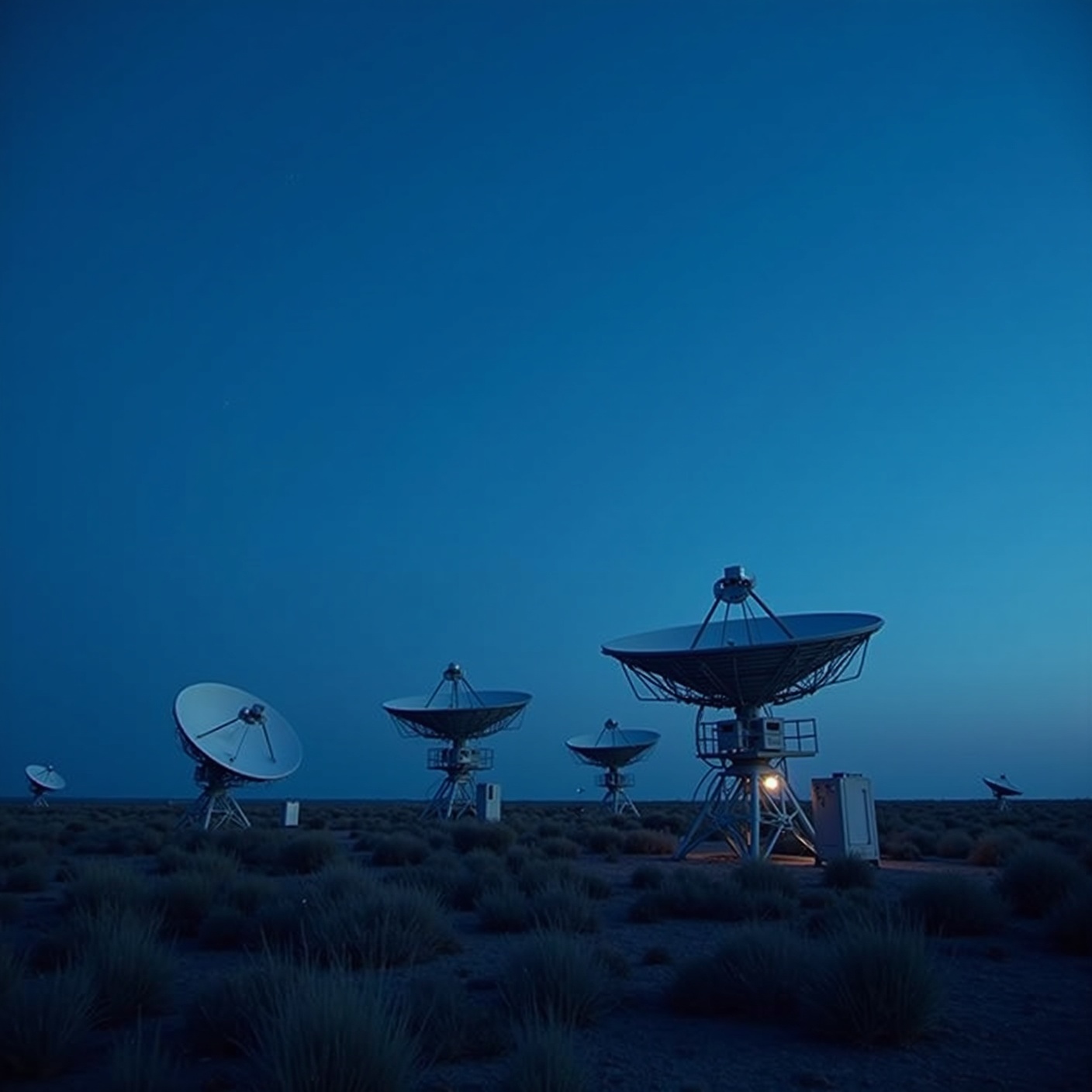
The product is called Portal, and it addresses a problem most people never think about, which is that the number of satellites in low-earth orbit has exploded and the ground has not kept up. Talking to something in orbit has traditionally meant a big parabolic dish, one of those white bowls on a hillside, pointed at one thing at a time. Northwood builds networks of small phased-array antennas instead, panels that steer electronically rather than mechanically.
In other words: the bottleneck isn’t up there anymore. It’s down here, on the ground, waiting.
In January 2026 the company closed a $100 million Series B, led by Washington Harbour Partners and Andreessen Horowitz.
Her own framing of why now, from the Fortune piece:
“For a long time, the space economy has existed, but it’s been pretty niche. The economics are switching.”
That is roughly the whole thesis in two sentences, and it is worth noticing what she does not say. She doesn’t pitch a moonshot. She talks about economics switching, which is the sentence of someone who read the balance sheets and the regulations rather than the science fiction.
In April 2026 she spoke at Space Symposium. She spoke at the Milken Global Conference the same year. Neither of those rooms is a place a former Disney star gets invited to on nostalgia.
The distance is easy to measure if you want a number. The Good Luck Charlie finale aired in 2014. The Series B closed twelve years later.
Twelve years, one dropped-out degree, two finished ones, a company, and a hundred million dollars for antennas.
What is quietly remarkable about all of it is how little noise she made while it happened. There was no announced pivot, no documentary about leaving Hollywood behind. She went to school, and then she went to more school, and then she built something, and the news arrived in the business press rather than the entertainment press.
The kids who watched Teddy Duncan film video diaries in a Denver living room are in their late twenties and early thirties now. Some of them are presumably doing their own second acts, the unglamorous kind that involve night classes and a spouse who agrees to the risk.
She just did hers where everyone could eventually see it.