
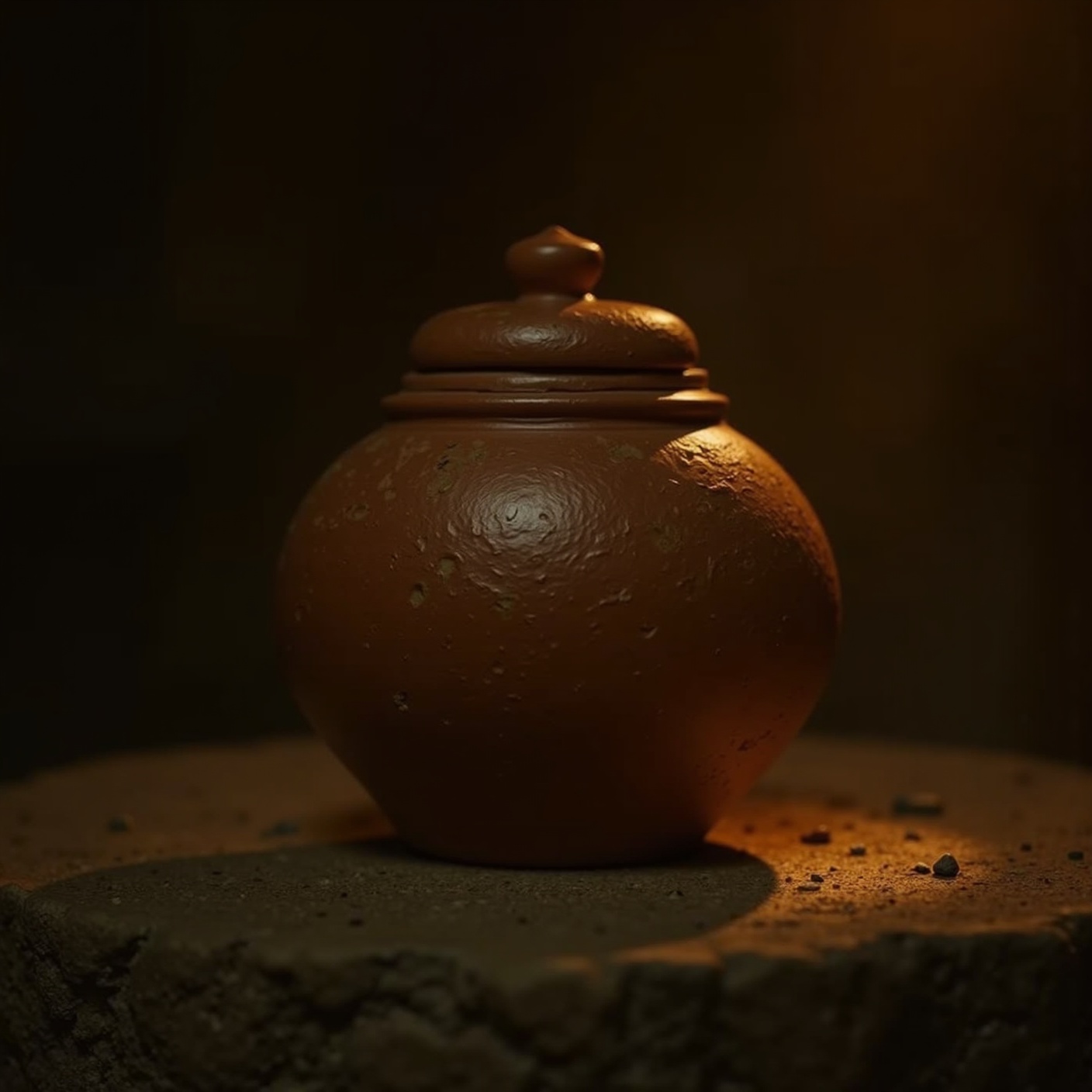
Sometime in the 1920s, archaeologists working the tombs of Egypt pried open a sealed clay pot that had been sitting untouched for more than three thousand years. Inside was honey. Not fossilized, not a dried-up crust, not a stain at the bottom of the jar. Honey. Golden, thick, and by every account still perfectly good to eat.
That story gets told a hundred different ways, and most of them are exaggerated. But the core of it holds up. Honey has turned up in ancient Egyptian burial sites, including tombs from the age of the pharaohs, and it comes out edible. No mold on top. No rot. Nothing had spoiled in three thousand years of darkness.
Think about how strange that is for a second. Bread goes stale in a day. Milk turns in a week. Leave an apple on the counter and it’s brown by Thursday. Almost everything we eat is racing toward the trash the moment it exists. And here’s a jar of honey outliving entire dynasties, watching kingdoms rise and fall, and still fine.
So what makes honey the exception? It isn’t magic and it isn’t luck. It’s chemistry, and it comes down to three things happening at once.
The first is water, or rather the lack of it. Finished honey holds under 18% water, which sounds like plenty until you look at it from a germ’s point of view. Bacteria and mold need water to live. Honey is so packed with sugar that it actually pulls moisture out of anything nearby, including any microbe unlucky enough to land in it. A bacterium in honey doesn’t get poisoned so much as it gets drained. There’s simply nothing to drink.
The second thing is acid. Honey sits somewhere around pH 3 to 4.5, roughly in the neighborhood of orange juice. Most of the microbes that would love to move in and multiply can’t survive in a place that sour. The door is locked before they even reach it.
And then there’s the third piece, the one that feels almost like a secret ingredient. As bees turn nectar into honey, an enzyme they add leaves behind faint traces of hydrogen peroxide. Yes, the same stuff in the brown bottle in your bathroom cabinet. In honey it shows up in tiny amounts, slow and steady, and it quietly finishes off whatever the dryness and the acid didn’t already handle.
Put all three together and you get a place where life cannot get a foothold. Too dry to drink, too sour to settle, and laced with just enough peroxide to seal the deal. Sealed inside its jar, honey doesn’t fight off spoilage in some dramatic battle. Nothing ever gets the chance to start.
That last word matters more than it looks. Sealed. The whole trick depends on the lid staying shut. Crack it open, let humid air drift back in, and honey will slowly soak up moisture from the room until it finally dips past the point where things can grow. That’s when the clock starts. That’s also why the honey in your pantry can crystallize or ferment if it sits open and damp for years. It hasn’t gone bad on its own. The world got back in.
But leave it closed, tucked away from air and water, and honey just waits. It waited through the fall of Rome. It waited through every war and every winter humans have ever lived. It can outlast the person who filled the jar by a few thousand years and not lose a thing.
Which leads to a quietly wonderful thought. The oldest thing sitting in your kitchen right now might also be the one thing in there that will never, on its own, spoil. A pharaoh went to his grave with a jar of it, and the honey won. Would you have tasted it?