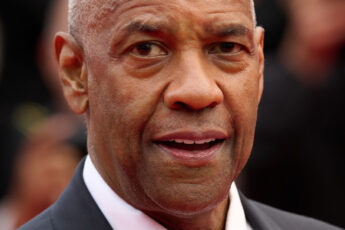
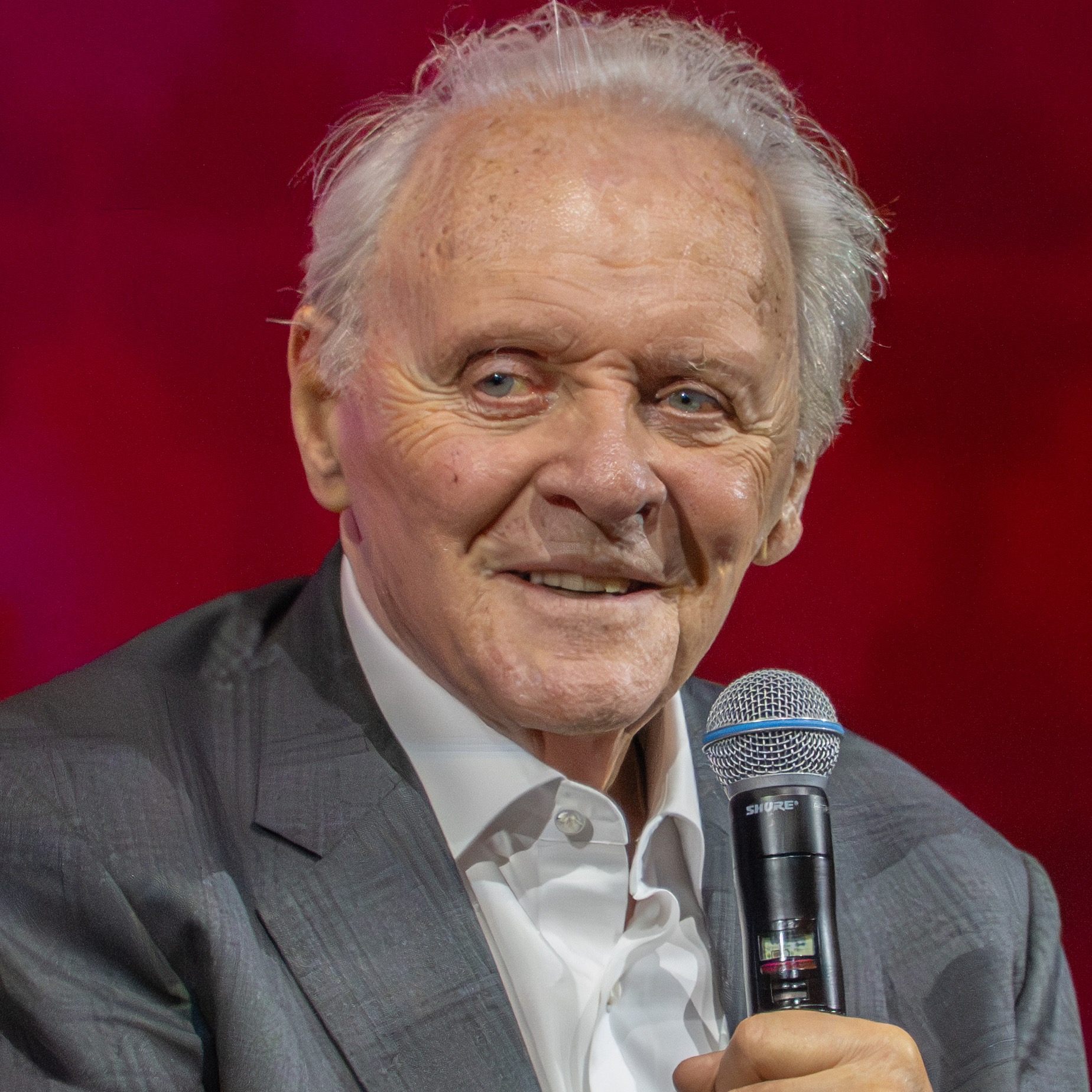
At the end of last December, Anthony Hopkins posted eleven words.
“I got help and 50 years ago today was the end.”
No photograph of a cake. No long caption about the journey. Eleven words, on the twenty-ninth of December, 2025, which is the date he counts from. Fifty years exactly. His eighty-eighth birthday was two days later, on New Year’s Eve.
He’s kept both dates for half a century now, and the smaller one clearly matters more.
What 1975 looked like from where he was standing
It helps to remember who he was that winter, because it was not the man on the poster.
He was a working actor from Port Talbot, a steel town on the Welsh coast, with a decent career and no monument attached to it yet. Hannibal Lecter was sixteen years away. The knighthood was eighteen years away. The second Oscar, the one that made him the oldest acting winner in the history of the Academy Awards, was forty-six years away, which is longer than most careers last from start to finish.
None of it had happened. He was thirty-seven, and two days short of thirty-eight, and by his own account he was in trouble.
The drive
He tells the story in his memoir, We Did OK, Kid, which came out on the fourth of November last year.
In 1975 he drove from Arizona to Beverly Hills. All night. Hundreds of miles of desert highway and freeway interchanges and other people’s headlights, and when he arrived he could not remember any of it. Not the leaving, not the road, not the arriving.
What he has said about that morning is one line, and it’s the whole story.
“I could have taken out a whole family.”
Not “I could have been killed.” Not a line about himself at all. A stranger’s car, a stranger’s kids, a stranger’s whole evening ended on a road in the dark by a man who wasn’t there for any of it. That’s the thought he woke up into.
He asked for help.
The fifty years that followed
Here’s the arithmetic that makes this story worth telling on a birthday.
Every single thing the world knows Anthony Hopkins for happened after that morning.
The Silence of the Lambs in 1991, and a performance so economical that it occupies a small fraction of the running time and still rearranged the entire idea of what a screen villain could be. The Remains of the Day. Shadowlands. Nixon. Amistad. Thirty years of work of a kind that most actors would trade a limb for.
Then, in 2021, The Father. He was 83 when the Academy called his name on the twenty-fifth of April that year, and he wasn’t even at the ceremony to hear it. That made him the oldest person ever to win an acting Oscar, a record he set at an age when most of his contemporaries had long since stopped being offered leads.
He was knighted in 1993. He became a US citizen on the twelfth of April, 2000, while keeping his British citizenship, so the Welshman from Port Talbot holds both passports. He married Stella Arroyave in 2003, and they’ve been together ever since.
Fifty years is not a footnote in that resume. Fifty years is the resume.
The part he hasn’t stopped doing
And this is the detail that keeps landing on people when they hear it.
He still goes to meetings.
Eighty-eight years old, two Best Actor Oscars, a knighthood, half a century clear, and he still walks into rooms with folding chairs in them and sits with people who are on day four. He hasn’t graduated. He doesn’t treat it as solved.
That’s not a small thing to keep doing when you are, objectively, one of the most decorated actors alive. There is every excuse available to him. He is famous, he is old, he is busy, he is fifty years past the last drink, and any one of those would let a person quietly stop going and nobody would ever mention it.
He goes anyway. Ask anybody who has ever counted days what that means to see.
Why he says it out loud
Hopkins has never made a brand out of this. There’s no foundation with his name on the door, no annual campaign, no book tour built around the recovery angle. He mentions it, usually briefly, usually around the anniversary, and then he goes back to work.
But he does mention it. Every year, more or less, in a few plain sentences.
Because the version of the story people need to hear is not the Oscars. It’s that a man in his late thirties, who by his own description was finished, got up the next morning and asked somebody for help, and then got fifty years and two of the best performances in modern film out of the decision.
He was two days short of thirty-eight when it turned. He was two days short of eighty-eight when he counted it out loud.
Fifty years, to the day, between one and the other.
Most anniversaries in this business come with a red carpet. This one came with eleven words on a phone, posted quietly at the end of December, from a man who evidently still knows exactly how close it was.
Who’s the person in your life who marked a date like that, the one only they and a few others ever notice?