The photo went up on July 12, and it is not the kind of picture a where-are-they-now story usually delivers.
Two people stand shoulder to shoulder, both of them laughing. Draped across both their necks, shared between them like a scarf somebody dared them to put on, is a snake.
The woman is Kristy McNichol. She is 63. The man beside her is Christopher Atkins, 65. The last time most of America saw the two of them in the same frame, they were swashbuckling their way through “The Pirate Movie,” which came out in 1982.
That is more than 40 years ago. Neither of them appears to mind.
The occasion was Fanboy Expo in Knoxville, Tennessee, held July 10 through 12. The weekend included a screening of “The Pirate Movie,” a meet-and-greet, and a Q&A with the two of them afterward. Atkins announced it ahead of time in the cheerful register of a man who has been doing this a while and still likes it.
“Back out in the woods!” he posted. “I look forward to seeing everyone next weekend for The Pirate Movie screening, meet and greet with me and Kristy and Q&A after!”
For a certain slice of America, the name Kristy McNichol still does something specific to the back of the brain.
She was 13 when she started playing Letitia “Buddy” Lawrence on ABC’s “Family.” The show ran from 1976 to 1980, and she won two Emmys for it. Buddy was the kid sister, the tomboy, the one who said out loud the thing everyone else in the room was carefully not saying. Teenage girls watched her and felt recognized in a way network television did not usually bother with.
The movies came fast after that. “Little Darlings” in 1980. “Only When I Laugh” in 1981. For a few years there she was one of the most famous young actresses in the country, and people wrote about her the way they write about someone they assume will be around forever.
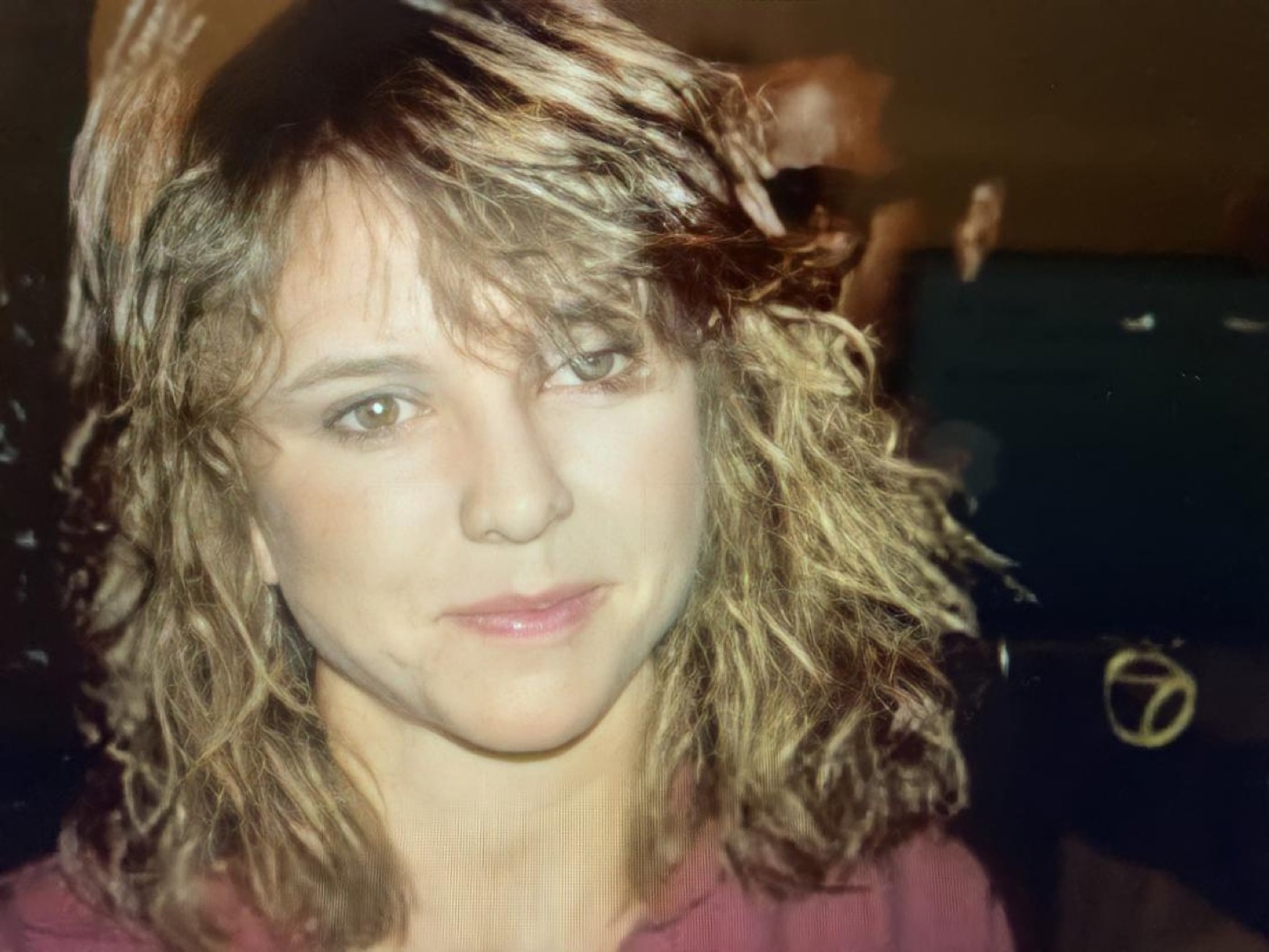
In 1988 she came back to weekly television as Barbara Weston on “Empty Nest,” and she was very good at it. She stayed with the show into its fifth season. In 1992 she stepped away after being diagnosed with bipolar disorder. She returned for the series finale in 1995.
Then she kept working a while longer. And in June 2001 she stopped, and she explained why in one sentence that has been quoted a hundred times since without anyone quite listening to it.
“I retired from my career after 24 years,” she said. “My feeling was that it was time to play my biggest part – myself!”
Twenty-four years. She had started as a child, before she had any real say in it, and by the time she was finished she had spent more of her life on a set than off one. Most people who leave that world leave it loudly. There is usually a book, or a score to settle, or a comeback attempt eighteen months later. She just left.
What she did next is the part nobody puts in a headline, because it does not sell.
She started teaching. Acting, at a private school in Los Angeles, to kids who mostly had no idea that the woman running their scene work had two Emmys sitting somewhere at home. She did charity work. She turned up at the occasional convention, signed things, told stories, and went back home.
She has been with her partner, Martie Allen, since the early 1990s, and she spoke about their relationship publicly in 2012. Since then she has said very little about it, which appears to be exactly how she wants it.
Christopher Atkins took the other road out of the eighties. He broke through in 1980 in “The Blue Lagoon” opposite Brooke Shields, which made him famous immediately and earned him a Golden Globe nomination for New Star of the Year. He never really stopped, and a good chunk of his last couple of decades has looked like the weekend in Knoxville: show up, talk to the people who grew up on your movies, have an obviously good time doing it.
Which is the thing about a film like “The Pirate Movie.” It was not a prestige picture. It was loud and glittery and pitched at kids, and it landed in 1982 without anybody predicting it would still be pulling a crowd into a Tennessee convention hall 44 years later. The people who drove out to see that screening are in their fifties now. Some of them were eleven the first time.
Which brings it back to the photograph.
Look at it for a second and the interesting thing is not the snake, funny as the snake is. It is her face. There is no strain in it. No performance, no chin angled for the camera, none of that tightness you see on people who are being looked at and would rather not be. She is a 63-year-old woman standing next to an old colleague, holding a reptile, enjoying herself.
That is not the ending the internet usually hands to a former child star. The genre wants a cautionary tale. It wants the crash, the ruin, the sad little postscript. It very rarely wants a woman who counted up 24 years of work, decided that was enough, walked out, taught some teenagers how to land a monologue, and stayed exactly where she put herself.
She said in 2001 that it was time to play her biggest part. Twenty-five years on, the evidence suggests she has been doing it the whole time, quietly, with nobody filming.
And every so often she comes out for a weekend, sits in a room with people who remember, and lets somebody hang a snake around her neck.