
Amalie Jennings knew what it meant to feel “wrong” in her own body long before she understood why people stared.
By the time she was two, she was already gaining weight quickly. Doctors checked her, adults whispered, and from as early as kindergarten she remembers one thing clearly: the bullying never seemed to stop. Kids pointed, laughed, and used her body as a punchline.

As she grew older, the comments only got harsher. Amalie put on more weight and the bullying escalated.
She began to self-harm and avoided mirrors because she hated what she saw looking back at her. Clothes shopping, something most girls her age enjoyed, became torture.
While other children picked out fun, colorful outfits, Amalie was sent to the women’s section because nothing in the kids’ department fit her. It made her feel like she didn’t belong anywhere.
She rarely saw anyone who looked like her in books, movies, or magazines. And when bigger bodies did appear, they were often the joke, the sidekick, or the “before” picture. It reinforced the idea that people like her were never meant to be the main character.
Meeting the man who saw her
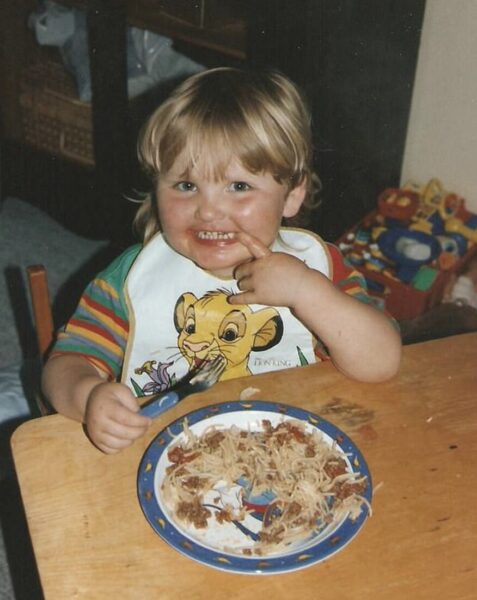
Amalie grew up in Denmark. Sean lived in the UK. On paper, their paths should never have crossed.
But one evening, while playing a game on her PlayStation, she ended up in the same online lobby as a British guy named Sean. They started chatting through the game.
At first, Amalie assumed he was some older man just passing time. Eventually she realized he was actually her age — and, more importantly, that he genuinely enjoyed talking to her.
Their voices and conversations came first. Looks didn’t. There were photos, sure, but it took a while before they were comfortable turning on the camera. Even then, Amalie would angle her face, hide her double chin, and constantly worry about how big she looked.
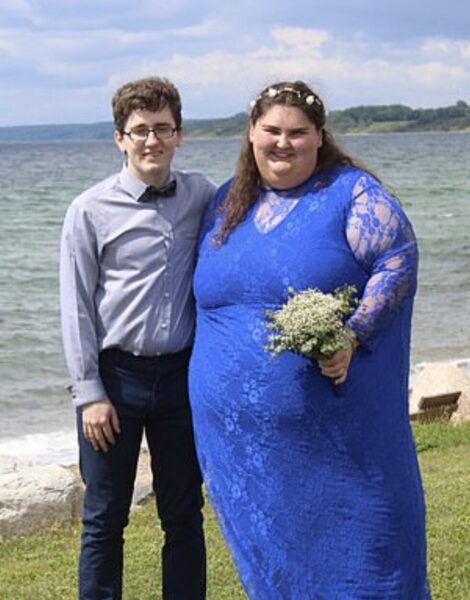
Sean didn’t care.
He listened to what she said, laughed at her jokes, and paid attention to what she liked and feared. Over time they became best friends, speaking for hours and sharing more and more of their lives.
Amalie started to realize she had feelings for him. She tried dropping hints, even posting small love notes on Facebook that were clearly about him — at least to her. Sean, being a bit oblivious, thought she might be talking about someone else.
Finally, she told him directly: she was in love.
To her surprise, the feeling was mutual. Somewhere between the late-night game sessions and deep conversations, he had fallen for her too. For a woman who had always been told she wasn’t “good enough,” it felt unreal that someone 500 miles away could love her exactly as she was.
“Why is he with her?”
Eventually, their long-distance relationship turned into something real-world and permanent. Amalie moved to England so they could build a life together.
That’s when the outside world started to comment.
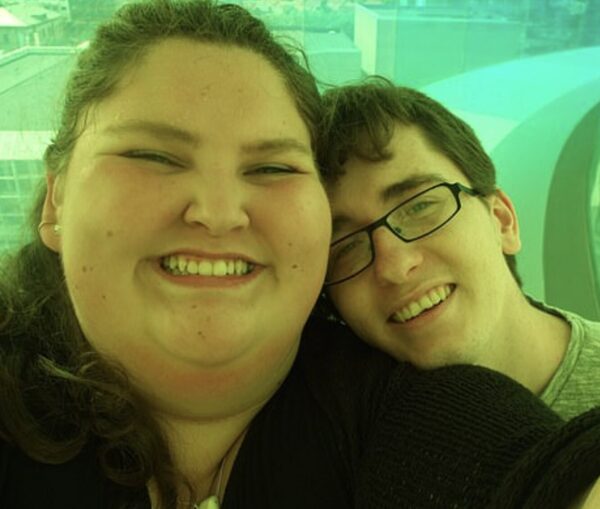
Strangers assumed Sean must have a fetish because he was slim and she was bigger. Some people questioned why he would want to be with her at all. Others couched their cruelty as “concern” or “jokes.”
Despite that, the couple stayed strong. They were clear: this wasn’t about a body type or a number on a scale. Sean loved Amalie’s personality, her humor, her heart. Her weight wasn’t a “quirk” or his “thing.” It was simply part of the woman he loved.
Not all the judgment came from strangers. In a past interview, they hinted that they’d had to cut off contact with Sean’s father. They didn’t share full details, but it was clear that protecting their relationship sometimes meant walking away from people who couldn’t accept them.
Turning pain into a message
Instead of letting the cruelty silence her, Amalie used her voice.
Online, she spoke openly about fatphobia and how harmful it can be — especially in healthcare, where larger patients are often dismissed or blamed for every symptom. She encouraged people in bigger bodies to advocate for themselves and demanded that professionals treat them with respect.
She also had a powerful message for her younger self — and for anyone who felt like her:
If she could go back, she’d tell little Amalie to stop wasting years hating herself. Yes, her body was different, but different doesn’t mean “bad.” People would stare and comment no matter what; the only thing she could control was how much power she gave their words. Somewhere out there, she insisted, are people who will love you — including your body — exactly as it is.
Her story became a reminder that body shaming doesn’t magically push people toward “health.” More often, it crushes self-worth, fuels depression and self-harm, and makes it even harder to take care of yourself.
Gone too soon – but not forgotten
In 2019, Amalie and Sean’s love story and her message of self-acceptance spread widely online. Many people saw themselves in her: the bullied child, the teenager who hated her reflection, the adult who still felt invisible.
Then, in July 2024, tragedy struck.

Amalie passed away at just 30 years old. Her obituary described her as “beloved and missed” and shared a tender line:
“When you see a star twinkle, it’s me waving at you.”
The cause of her death wasn’t made public, but the grief was clear. She left behind her husband Sean and family members who loved her deeply.
Though her life was heartbreakingly short, the impact she made in those 30 years is still echoing. Her openness about mental health, fatphobia, and self-worth helped thousands of strangers feel less alone.
If you listen closely to her story, the lesson is simple but powerful:
No one’s value is measured by their clothing size.
Real love is never about “fixing” a body — it’s about honoring a person.
And the loudest voices in your life should never be the bullies.
Amalie spent years believing she didn’t deserve love, then proved herself wrong by living a love story that inspired the world. Honoring her means building a world where people are seen, respected, and valued — in every body.