Ticks are tiny, but the infections they carry can be a big problem. Some species can spread Lyme disease and other illnesses that cause joint pain, fever, fatigue and long-term complications.
You can’t avoid ticks completely, but you can reduce your risk by handling them the right way if you find one on yourself, a loved one, or a pet.
So what should you do if you spot a tick that’s already attached?
Step 1: Remove the tick correctly
Don’t just grab the tick with your fingers and yank it off. If you squeeze the body, twist it, or pull too hard, the head can break off and stay in your skin, or the tick can release more germs into the bite.
Instead, do this:
Use fine-tipped tweezers or forceps
Place the tips as close to your skin as possible, right where the tick’s mouthparts go in.
Pull straight up, slowly and steadily
Don’t twist, crush, or jerk the tick.
Keep gentle, even pressure until it lets go.
Check that the whole tick came out
If a tiny dark fragment remains in the skin, don’t dig aggressively. Your body will often push it out as the area heals, or a doctor can remove it if needed.
Clean the area
Wash the bite and your hands with soap and water or an alcohol-based sanitizer.
Step 2: How to get rid of the tick
It might be tempting to just throw the tick in the trash, but it can still be alive and able to bite again. There are safer options.
You can:
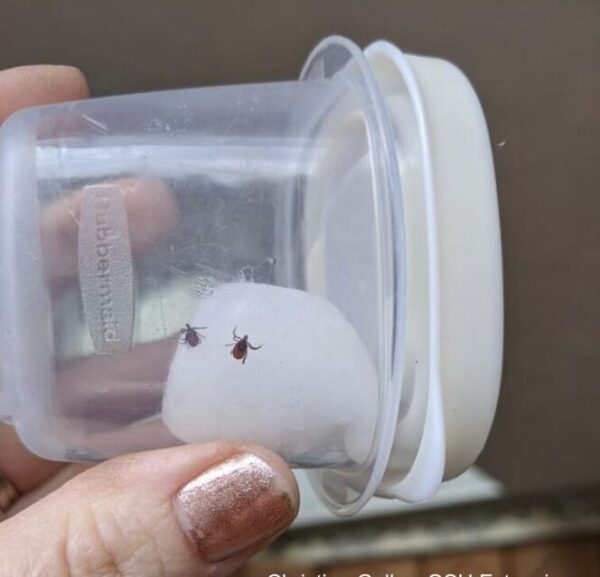
Seal it in a container or bag – Put the tick in a small jar, vial, or plastic bag and close it tightly.
Wrap and flush – Wrap the tick securely in tissue or paper towel and flush it down the toilet. Or keep it for identification
If the tick was on your pet, or if you’re worried about disease, some vets or doctors may ask you to bring the tick in so they can identify the species. In that case, keep it in a tightly sealed bag or container and label it with the date and where on the body it was found.
Avoid: crushing a tick with your bare fingers. Germs can enter your body through tiny cuts in your skin or around your nails.
Ticks and your pets
Pets that go outdoors are tick magnets, so regular checks are essential all year round. Ticks are often more active in warmer months, but many species can survive cold weather too.
When you examine your dog or cat, pay special attention to:
Ears and the area behind them
Around the collar
Armpits and groin
Between toes
Skin folds and thick fur areas
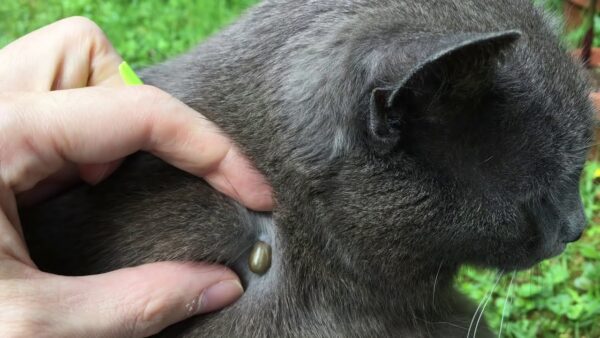
Run your fingers through the fur and feel for small, hard bumps on the skin. If you find a tick, remove it with tweezers just as you would on a human, and ask your vet if they want to see the tick or test your pet.
Keeping your pet tick-free helps protect your whole household.
After a tick bite: what to watch for
Even if you removed the tick quickly, keep an eye on your health over the next few weeks. Early signs of infections like Lyme disease can include:
Flu-like symptoms (fever, chills, headache, body aches)
Joint or muscle pain
A red rash, sometimes in a “bullseye” pattern around the bite
Extreme tiredness or feeling generally unwell
In some tick-borne illnesses, you might not get the classic bullseye rash, so don’t rely on that alone. If you notice any unusual symptoms after a tick bite, contact a doctor or healthcare provider as soon as possible and tell them you’ve had a recent tick bite.
Prompt treatment can greatly reduce the risk of serious complications.
Bottom line
Remove ticks quickly with fine-tipped tweezers.
Pull straight up, gently and steadily.
Clean the skin and dispose of the tick safely in a sealed container, wrapped tissue (flushed), or rubbing alcohol.
Check pets regularly and ask your vet if you’re unsure.
Watch for symptoms and seek medical help if anything feels off.
Handled correctly, one little tick doesn’t have to turn into a big health problem.