Thirty years ago this August, a movie came out about a very small girl with an enormous inner life. She read Dickens under the covers. She tipped a glass of water over with her mind. She lived in a house full of people who did not deserve her and found the one adult who did. If you were a kid in 1996, “Matilda” is welded into you somewhere, along with the smell of a rented tape and the sound of Danny DeVito narrating.
The girl who played her had turned nine exactly nine days before the film opened.
Her name is Mara Wilson, and by August of 1996 she was already a veteran. She was born in Burbank in 1987, which is about as close to the industry as an American child can be born, and she started working before she lost her baby teeth.
At six she was Natalie Hillard in “Mrs. Doubtfire,” the youngest of the three kids, the one small enough to still believe a British nanny had simply materialized in the doorway. That film came out in November 1993 and it did not just do well. It became the kind of movie families watched until the tape wore thin.
At seven she was Susan Walker in “Miracle on 34th Street,” the 1994 remake. Susan is the skeptic. She’s the kid who has been raised on facts and has decided, sensibly, that Santa Claus is a man in a suit. Wilson played her with a flat, watchful practicality that a lot of grown actors never manage.
Then came “Matilda,” in the summer of 1996, directed by DeVito, who also played Harry Wormwood and did the voiceover. It’s a strange, spiky, slightly mean little film and it has aged better than almost anything else from that year.
Here is the part that reframes the whole thing.
That spring, before the movie opened, Mara’s mother Suzie died of breast cancer. Mara was eight years old. She has written about it since, plainly and without asking for anything, and it is not a detail you can move past quickly. The most famous summer of her childhood and the worst one arrived together, a few months apart, in the same house.
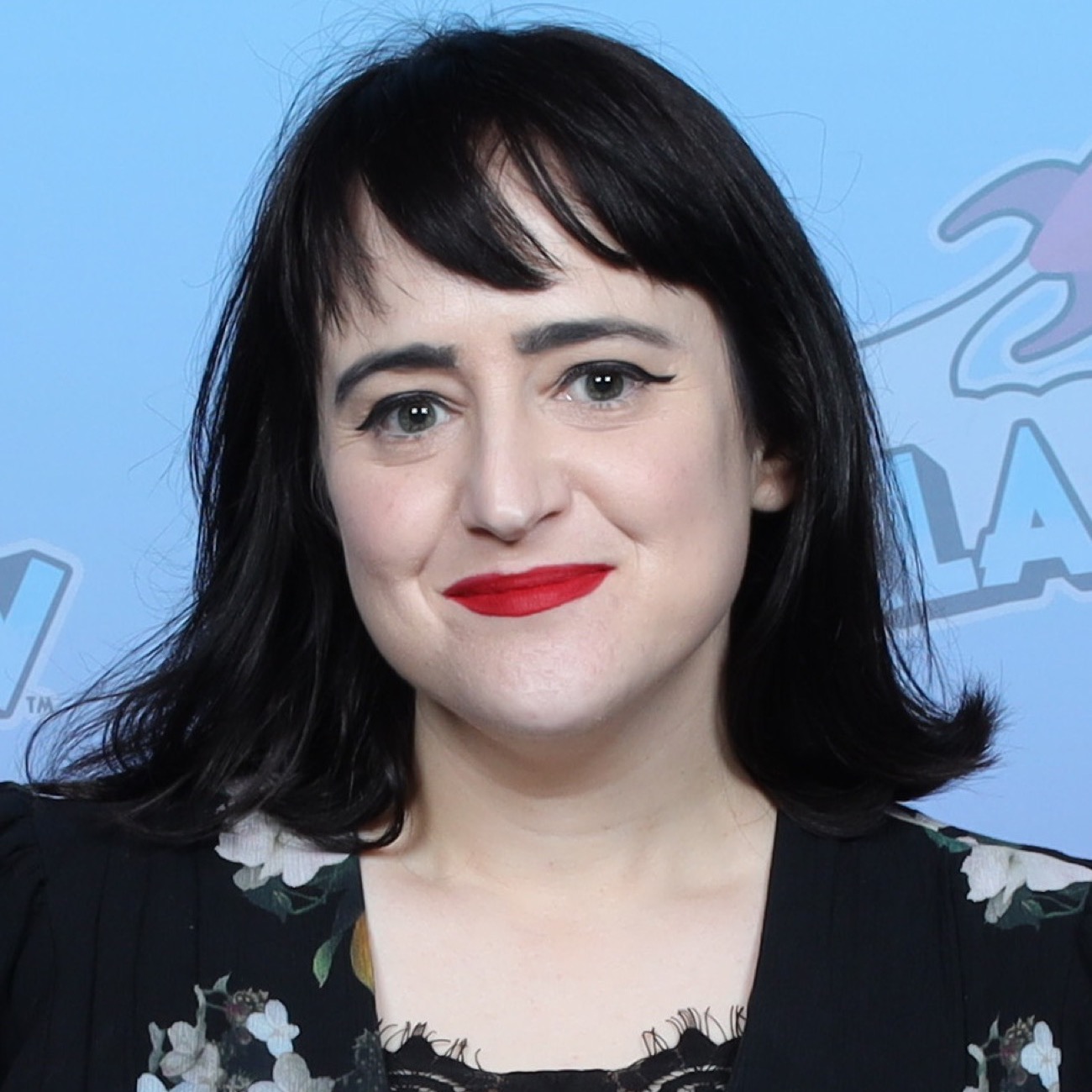
She kept working for a while. “A Simple Wish” came in 1997. Then “Thomas and the Magic Railroad” in 2000, and that one turned out to be the last.
She didn’t announce anything. There was no farewell interview, no manager statement, no dramatic exit. She was thirteen, the parts had started to feel wrong, and she went to high school instead. That’s the whole story of it. Child acting is a job that quietly stops offering itself to you somewhere around puberty, and most kids spend years fighting that. She just let it go.
What she did next is the part worth sitting with, because it is not the arc the tabloids had ready.
She went to New York University. She studied at the Tisch School of the Arts and finished her BFA in 2009, at an age when a lot of former child stars are still trying to book the comeback. And then, instead of walking back toward the camera with a degree in hand, she started writing.
Her first book came out in 2016. It’s called “Where Am I Now? True Stories of Girlhood and Accidental Fame,” and the title does a lot of work. It is a collection of essays about being a strange, anxious, bookish kid who happened to be recognized in grocery stores. It is funny in the places you’d expect and much sadder in the places you wouldn’t.
In April 2023 she published a second one, “Good Girls Don’t,” a Scribd Original, and this one goes back onto the sets themselves. “Matilda,” “Mrs. Doubtfire,” “Miracle on 34th Street,” “A Simple Wish.” What it was like to be the small professional in a room of adults. What was expected of a girl who was supposed to be sweet, on camera and off, all the time, at nine.
These days she writes essays, she runs a newsletter, and she does a lot of voice work, including the podcast “Welcome to Night Vale.” In 2025 she was part of a group that won an Audie Award, which is the big prize in audiobooks. It is a working writer’s life, unglamorous in the best sense, built one deadline at a time.
She hasn’t disowned any of it, either. In May 2024 she sat down with her “Mrs. Doubtfire” castmates for a podcast episode, thirty-one years after that kitchen table. She talks about Matilda with real affection. She just declines to be Matilda for a living.
That distinction is the whole thing, and it’s rarer than it sounds. Most people who were famous as children spend the rest of their lives either running from the role or trying to climb back into it. Wilson did a third thing. She took the childhood, all of it, the fame and the loss and the auditions and the eight-year-old in a house where the news was bad, and she turned it into material. Not for a comeback. For a body of work with her name on the spine.
She turns 39 on July 24. “Matilda” turns 30 on August 2.
The girl in that movie was a reader who discovered she could move things by paying enough attention. It’s a little on the nose, but you have to admit the woman she became did roughly the same trick, and she didn’t need the telekinesis.