There was a stretch of years when you could scroll every movie listing in town and never once see his name. The guy who used to be everywhere — the poster on the bedroom wall, the face that launched a hundred summer matinees — had simply gone quiet. And most people assumed he’d chosen it.
He hadn’t.
If you grew up any time in the late ’90s, you already know the face. Brendan Fraser swinging through the trees in “George of the Jungle.” Brendan Fraser dodging scarabs and mummies opposite Rachel Weisz in “The Mummy,” which became a trilogy and made him, for a while, one of the most bankable leading men in Hollywood. Before that there was “Encino Man” and the quiet, aching drama “School Ties.” He was charming, physical, a little goofy, impossibly likable. And then, sometime after the third Mummy film, he thinned out of the picture almost completely.
For a long time nobody outside the industry knew why. The easy story — the one people tell about faded stars — is that the phone stops ringing, the looks fade, the next generation shows up. But that wasn’t Fraser’s story at all.
The truth, which he laid out plainly in a 2018 interview with GQ, was that his own body had betrayed him. All those stunts he insisted on doing himself — the running, the falling, the being yanked around on wires through “The Mummy” pictures — had quietly wrecked him. “By the time I did the third Mummy picture in China I was put together with tape and ice,” he told the magazine. He needed a laminectomy on his spine. A partial knee replacement. Surgery on his vocal cords. He was, by his own account, in and out of the hospital for the better part of seven years.
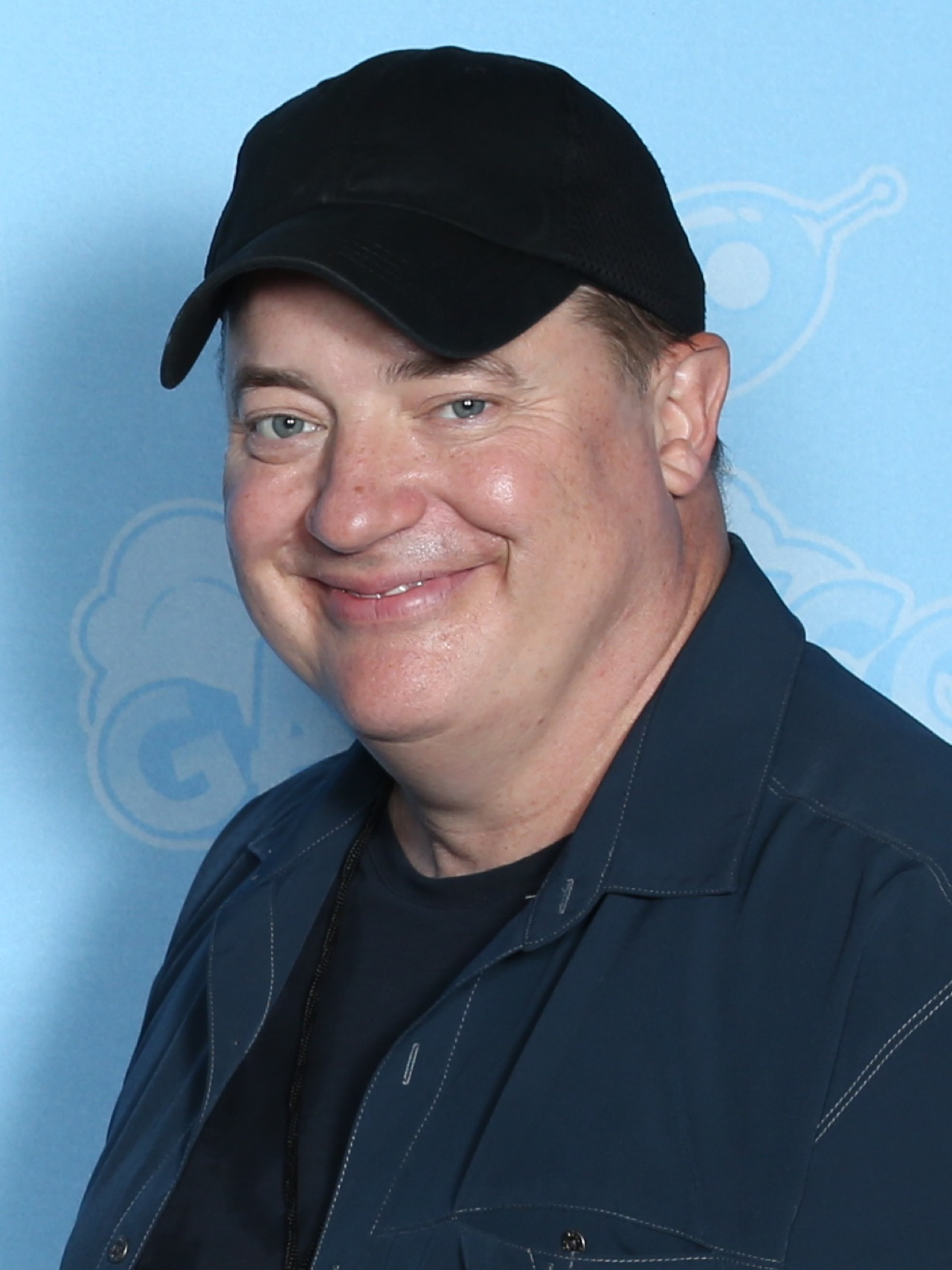
And it wasn’t only the physical toll. In that same window his mother died. His marriage of eleven years ended in divorce. Friends and reporters who pieced it together later described a man sliding into a deep depression, the kind that makes getting up and driving to a set feel impossible. “Going to work — in between being in and out of those hospitals, that wasn’t always possible,” he said.
There was one more thing, and it was the hardest to talk about. In that 2018 GQ interview, Fraser said he had been sexually assaulted in 2003 by a then-president of the Hollywood Foreign Press Association — the organization behind the Golden Globes. He believed that speaking up, or refusing to stay quiet about it, had helped push him to the margins of an industry that had once adored him. He wasn’t hiding by choice. In a lot of ways, he’d been made to disappear.
So he stepped back. He raised his sons. He healed, slowly, one surgery and one hard year at a time. And the fans — this is the part that matters — never actually let go of him. Quietly, on the internet, a movement kept his name alive. People called it the “Brenaissance.” They shared old clips, wrote love letters to a guy who had no idea it was happening, and waited for the door to open again.
It opened when a director named Darren Aronofsky handed him a script.
The film was “The Whale.” Fraser would play Charlie, a 600-pound, reclusive English teacher, housebound and grieving, making one last desperate attempt to reconnect with the teenage daughter he’d walked out on years before. It was a role that asked for everything — hours in a prosthetic suit, and beneath all of it, a man’s whole broken heart laid bare. Fraser has said that Aronofsky essentially threw him “a creative lifeline.”
He grabbed it with both hands.
When “The Whale” premiered at the Venice Film Festival, the audience stood and applauded for roughly six minutes. Six minutes. The camera found Fraser in the crowd and he broke down — overwhelmed, disbelieving, wiping his eyes as strangers refused to stop clapping for him. The clip went everywhere. You watched it and you felt it in your chest: here was a genuinely kind man being told, after all those years in the dark, that he still mattered.
The praise didn’t fade. It built, festival to festival, all the way through awards season, until the night of March 12, 2023, when a presenter opened an envelope at the Academy Awards and read his name for Best Actor.
Brendan Fraser stood up. His eyes were already red. He climbed to the stage looking like a man who wasn’t entirely sure the floor was real, and the first thing he said was, “So this is what the multiverse looks like.” Then he thanked Aronofsky for the lifeline, and thanked the people who’d never stopped believing.
The man who vanished — who was, in his own words, half-vanished against his will — walked off that stage holding an Oscar.
Sometimes the comeback isn’t loud. Sometimes it’s just a good person, quietly put back together, finally getting handed the ending he always deserved.