July 5, 2025. Villa Park, Birmingham. Down the road from Aston, where a kid named John Michael Osbourne grew up before the world got around to calling him Ozzy.
He couldn’t stand for a whole show. Everyone knew that by then. Parkinson’s had been in his body since 2003, and he’d kept it to himself until 2020, and the years since had taken things from him one at a time.
So they built him a throne. A great black chair, planted center stage, in the city that made him.
He sat down in it. And then the other three walked on.
Tony Iommi. Geezer Butler. Bill Ward. The original four, together on a stage for the first time since 2005. They called the night “Back to the Beginning,” and the name was doing a lot of work, because Aston was the beginning, and everyone in that stadium understood they were watching the end of something.
The end of the touring. The end of the stage. That’s what they thought they were saying goodbye to.
Seventeen days later, on July 22, Ozzy died at home, surrounded by his family. He was 76.
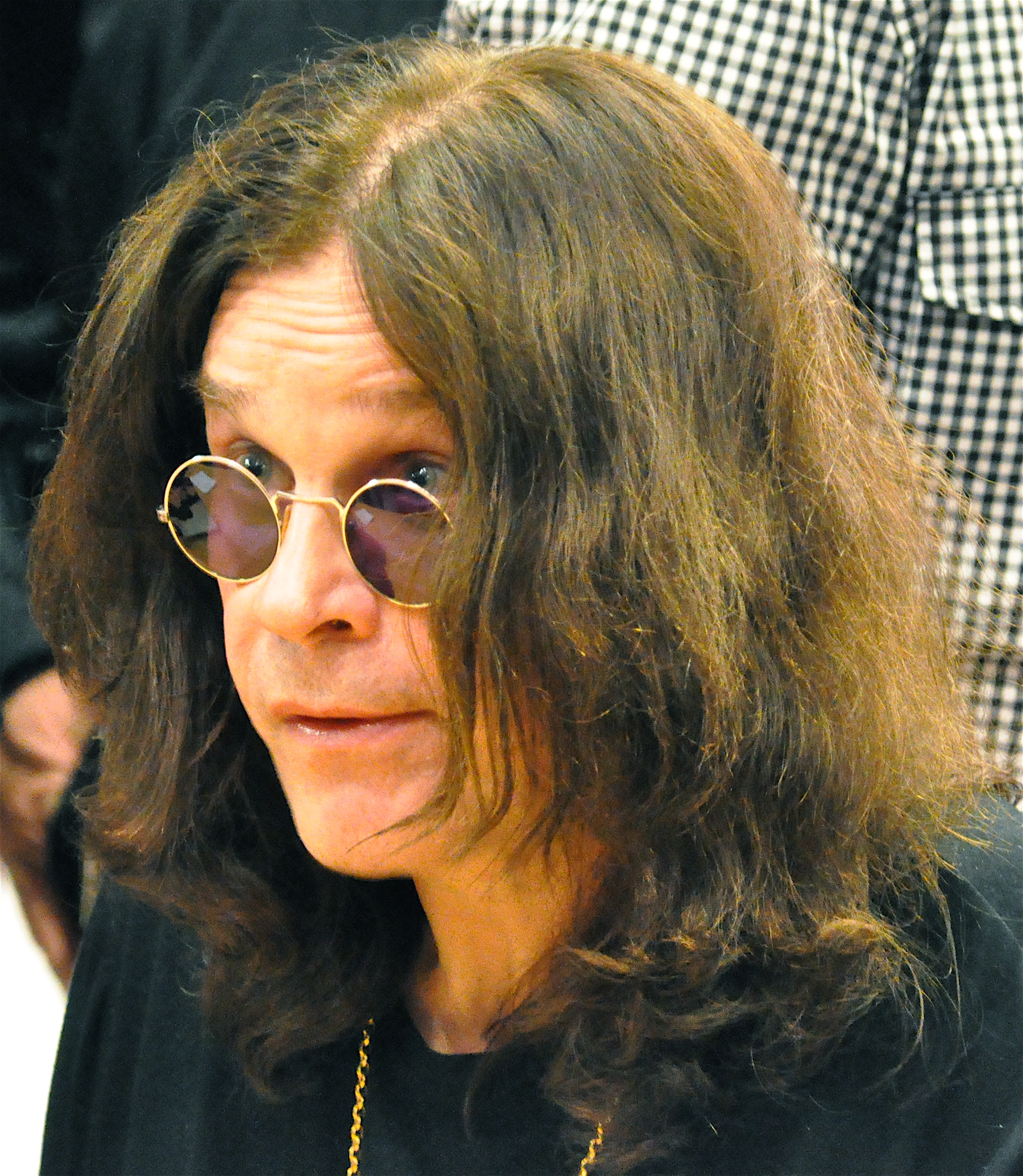
Think about the arithmetic of that for a second. Seventeen days. Not seventeen months, not a slow fade with a farewell tour stretched across two years of arenas. Seventeen days between the last note and the last morning.
He had, by any reasonable measure, been leaving that stage for six years. The illness had taken the walking, and then the touring, and then most of the ordinary things people never think to be grateful for. A man in that position could have been forgiven for going quietly. For letting the last public image of him be a photograph from better days.
Instead he went home to Birmingham and sat down in a chair in front of the city that raised him, and he sang.
There were three things that night left behind, and none of them are what you’d guess.
The money. “Back to the Beginning” raised £140 million. Not for a foundation with his name on the door. It was split three ways: Acorns Children’s Hospice, Birmingham Children’s Hospital, and Cure Parkinson’s. Two of those take care of children in the city he came from. The third is trying to make sure the thing that took him doesn’t get anyone else the same way. He aimed the biggest night of his life at the disease that was killing him and at the kids of Aston, and then he went home.
The film. Somebody had the cameras rolling, and thank God for that. “Back to the Beginning: Ozzy’s Final Bow” reached theaters in early 2026, and people who had no intention of ever crying in a cinema on a Tuesday afternoon did exactly that. Because you sit there knowing what the crowd on screen doesn’t know. You watch him grip the arms of that chair. You watch him look out at them between songs. And you count.
The rest of them. At the 2026 Grammys, Slash and Duff McKagan and Andrew Watt and Chad Smith and Post Malone stood up and played Black Sabbath’s “War Pigs” for him. The camera found the Osbourne family in the audience. Every one of them was in tears. At the BRIT Awards that same year, Robbie Williams sang “No More Tears,” his 1991 hit, in an arrangement Sharon herself had a hand in shaping. She sat and watched a room full of people sing her husband back to her.
And Sharon is the part nobody is ready for.
They married on July 4, 1982, in Maui. Three kids: Aimee in 1983, Kelly in 1984, Jack in 1985. Forty-plus years of a marriage that the tabloids spent decades treating as a punchline, and which turned out, in the end, to be the most durable thing either of them ever built.
She has kept posting through 2026. Not performances of grief. Small things. The kind of thing you write at two in the morning when the house is too quiet.
On their wedding anniversary this year, she wrote: “I miss your hand in mine, but I carry your love with me every step of the way.”
Read that again, and then go back and look at the photographs from Villa Park. Look at his hands on the arms of that black chair.
Here’s what nobody can prove, and what a lot of people who were there believe anyway.
He knew.
Not in a mystical way. In the plain, practical way that a man who has been ill for a long time comes to know things about his own body. He knew roughly what he had left, and he decided how to spend it, and he did not spend it on himself. He spent it on a hospice, a children’s hospital, a research fund, three bandmates he hadn’t stood beside in twenty years, and a city that had never once let him forget where he came from.
A stadium full of people went to a rock show that night in Birmingham. Most of them thought they were watching a legend take a bow.
They were standing in a goodbye. It just took them seventeen days to find out.